Purpose-Driven Consumption
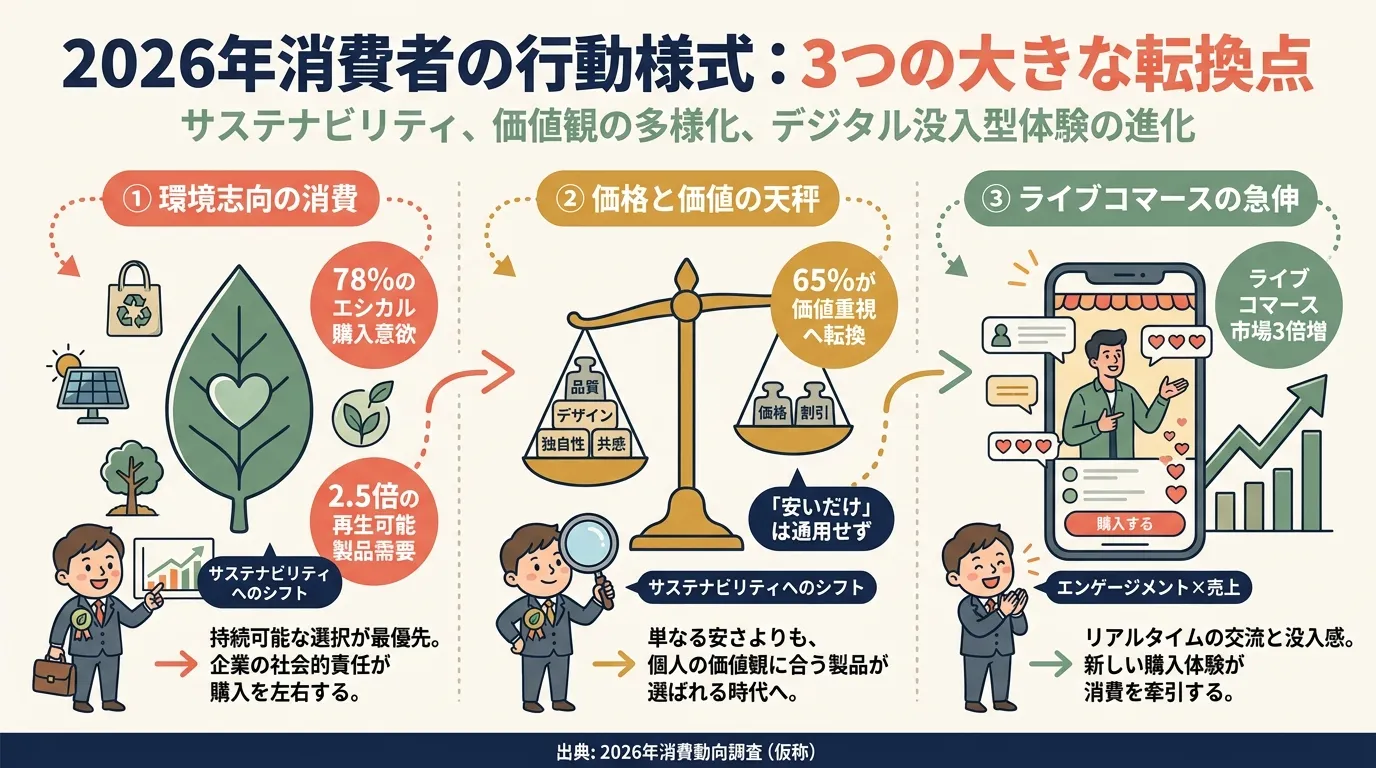
A consumer behavior pattern in which purchasing decisions are meaningfully shaped by a brand’s social, environmental, or ethical values rather than primarily by functional product attributes or price. Explained by self-congruity theory: when a brand’s values match a consumer’s ideal self-concept, brand preference and loyalty increase. Point2Web’s 2026 data reports approximately 20% higher loyalty for values-aligned brands.
As of 2026, 72% of consumers report increasing sustainability-aware purchasing, but the value-price paradox complicates execution: regulatory focus theory predicts that promotion-focused (ideals-seeking) and prevention-focused (loss-avoiding) motivational states coexist in the same consumer population, with financial pressure determining which dominates at the point of purchase. Credible purpose communication — verifiable operational evidence, transparent supply chains — is a prerequisite for the loyalty premium to materialize.