Designing Out Purchase Anxiety: The 2026 CRO Psychology Playbook for Full-Funnel Uncertainty Reduction
Every element of a digital shopping experience either reduces or increases uncertainty — here is how to systematically eliminate it
The 2026 CRO Psychology Handbook from ECD Digital Strategy opens with a premise that reframes conversion rate optimization entirely: every element of a digital shopping experience either reduces or increases consumer uncertainty. That single axiom turns CRO from a discipline of button colors and copy tests into a systematic science of removing purchase anxiety — and it extends the playing field from the product page to the entire funnel.
The Uncertainty Navigation Model
Consumers do not follow a linear, rational path to purchase. They navigate uncertainty, seek emotional validation, and continuously evaluate risk — moving toward purchase only when they have accumulated enough trust signals to feel confident. The cognitive shortcuts they rely on — Social Proof, brand familiarity, safety cues — are not persuasion tricks. They are genuine uncertainty-reduction mechanisms that evolved to help people make good decisions under incomplete information.
This reframing has a sharp practical implication: Cognitive Shortcut Marketing works not by exploiting irrationality but by providing the evidence consumers genuinely need to resolve their doubts. A well-placed product review does not push someone to buy against their better judgment — it removes a legitimate information gap that was holding them back.
Five Funnel Stages, Five Uncertainty Types
Choice Architecture and Uncertainty Reduction UX apply differently at each stage:
Collection / category pages — Choice uncertainty Too many options with insufficient differentiation create paralysis. Social proof labels (“Best seller this season,” “4.8 from 1,200 reviews”) reduce perceived risk before the user even clicks a product. Filtering that surfaces the most-reviewed or most-purchased items helps users self-select into decisions they are confident in.
Product pages — Quality uncertainty This is where most CRO investment already flows, and for good reason. Detailed material specifications, size guides with body-type examples, multiple photo angles, user-generated content showing real use cases — each resolves a specific quality question. The critical insight from the handbook: specific, context-rich reviews (“170cm, ordered L, holds shape after five washes”) outperform aggregate star ratings for uncertainty reduction, because they allow the prospective buyer to identify with a past buyer whose situation resembles theirs.
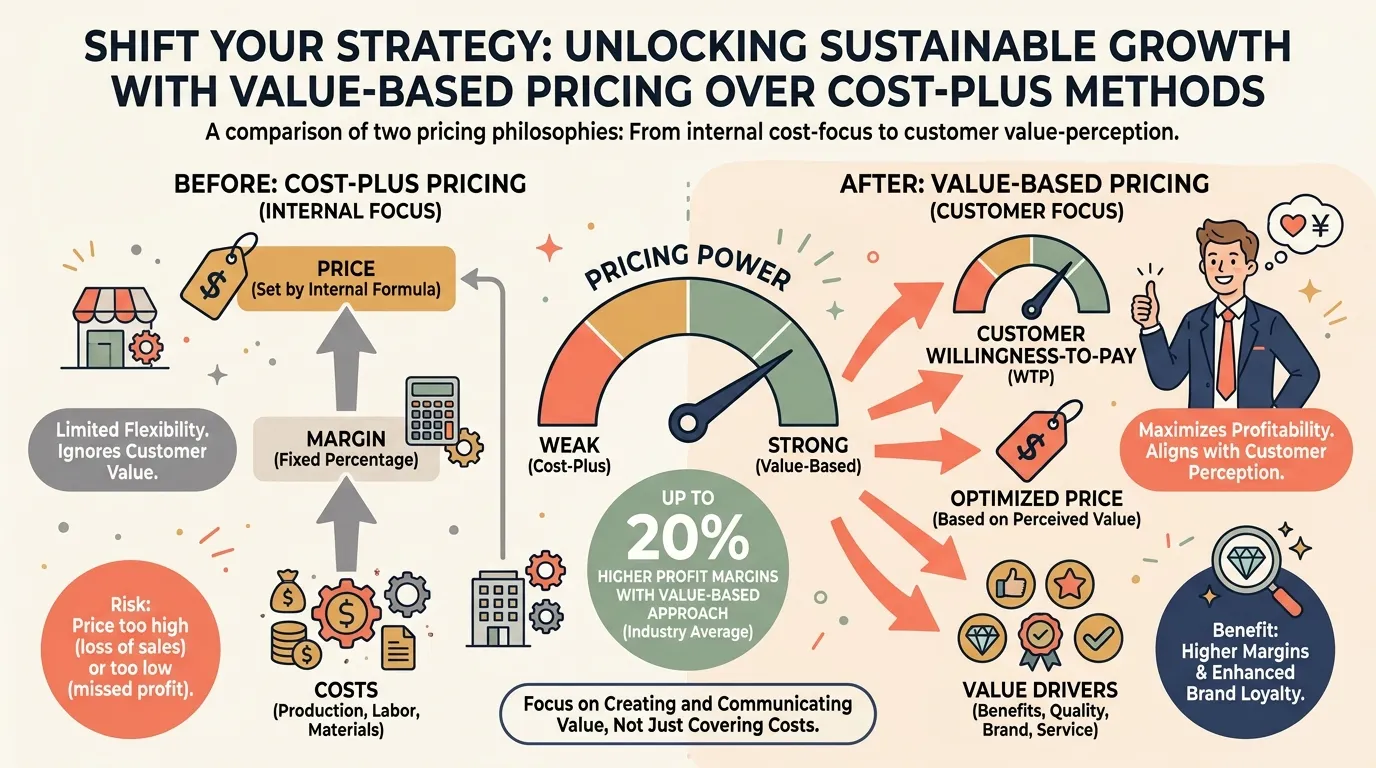
Bundle and pricing pages — Value uncertainty Anchoring the highest-tier option prominently resets the reference price, making the mid-tier feel like a rational middle ground — a direct application of Anchoring Effect principles. Decoy pricing structures, where a dominated option makes one alternative look clearly superior, reduce the cognitive work required to justify a decision.
Cart and checkout — Transaction uncertainty The cart-to-checkout transition is statistically the highest-abandon point in most funnels. The uncertainty type here is transactional: will this go through safely? Will I be able to return it? When does it arrive? Trust badges, visible return policies, shipping date estimates, and progress indicators directly answer these questions. The investment-to-return ratio at this stage is typically the highest of any CRO initiative.
Post-abandonment re-engagement — Opportunity uncertainty Abandoned-cart sequences work not because they manufacture urgency but because they resolve unfinished uncertainty processing. A well-timed email that surfaces the specific product the user viewed, adds a size-guide link, and includes a concise return policy is resolving information gaps — not playing on fear of missing out.
The Signal Theory Lens
Signaling theory explains why these mechanisms work beyond the psychological level: social proof, certification marks, and money-back guarantees are costly signals. Because they require commitment from the brand (operational cost to honor returns, reputational risk if reviews are negative), consumers can credibly infer that the brand believes in its product. The signal has value precisely because it would be expensive for a low-quality seller to fake.
This logic has a practical corollary: over-signaling undermines credibility. A checkout page plastered with thirty trust badges, six scarcity timers, and four guarantee icons sends an implicit message — “we are trying very hard to convince you.” The cure becomes the symptom. Effective Uncertainty Reduction UX selects the two or three signals that address the actual uncertainty type at that funnel stage and removes the rest.
The False Social Proof Trap
Inflated review counts, staged “limited stock” warnings, and algorithmically generated testimonials generate short-term conversion lifts and long-term brand erosion. Beyond the ethical problem, there is a functional one: consumers have become increasingly accurate at detecting inauthenticity. When they do, the trust damage extends beyond the specific claim to the entire brand.
The handbook’s position is clear: genuine social proof — earned through product quality and service — is a structural competitive moat. Artificial social proof is a borrowed asset with compound-interest debt.
Practical Starting Point
For teams with limited CRO bandwidth, the asymmetric return prioritization is: fix checkout uncertainty first, then product-page quality gaps, then collection-level architecture. Most teams invert this priority because product pages are more visible and easier to A/B test — but the funnel math typically rewards the harder work further downstream.
A useful audit exercise: walk every page of your funnel and ask of each element — does this reduce a specific uncertainty the consumer has at this stage, or does it serve another purpose (brand expression, SEO, executive preference)? Elements that do not reduce uncertainty are candidates for removal, not just de-emphasis.
Sources: The 2026 CRO Psychology Handbook for Digital Marketing, ECD Digital Strategy
Related Articles
The Three Consumer Shifts Rewriting Marketing in 2026: Purpose, the Value-Cost Paradox, and the Social Commerce Surge
Nudges Work—But the Average Is d = 0.43: What 200 Studies Really Show
When Clicks Disappear: Five Marketing Trends Dominating 2026
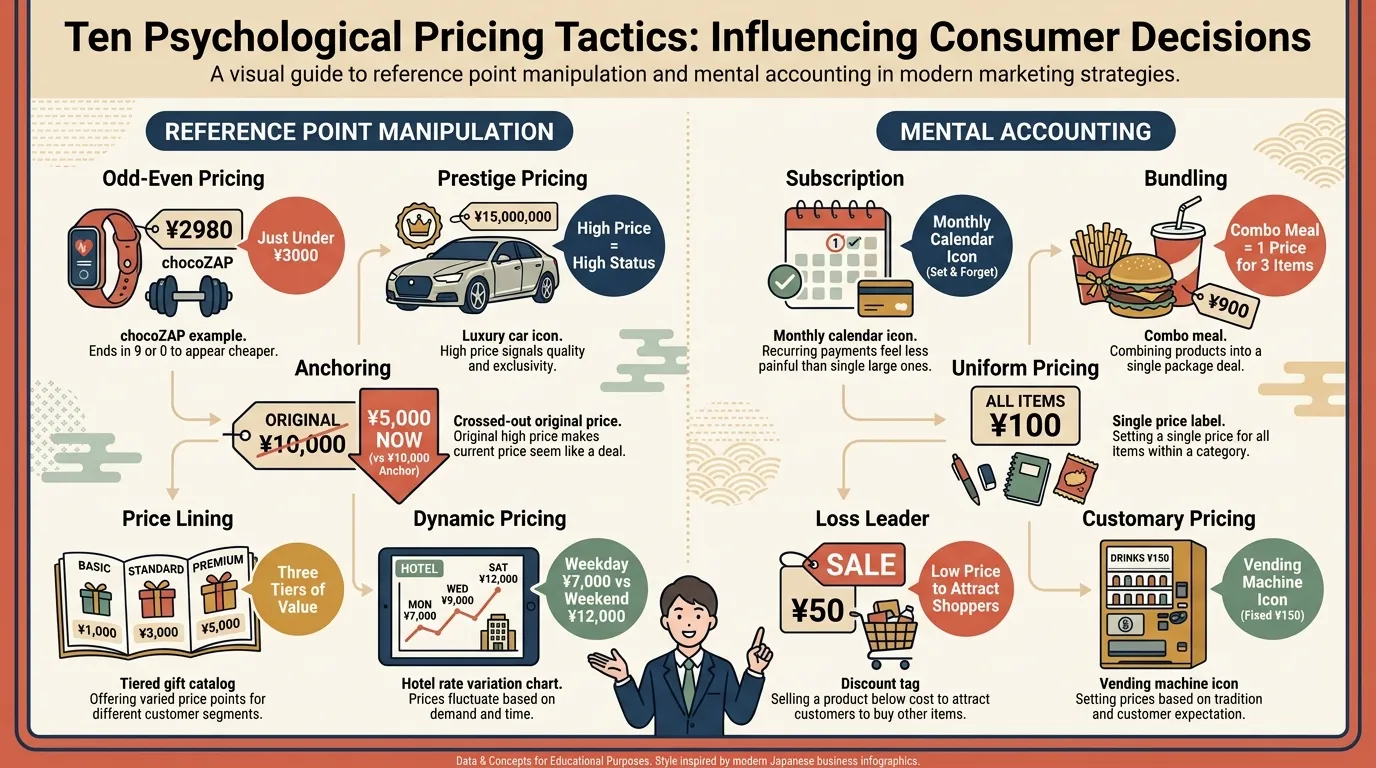
10 Psychological Pricing Techniques: How Reference Points Shape Purchase Decisions
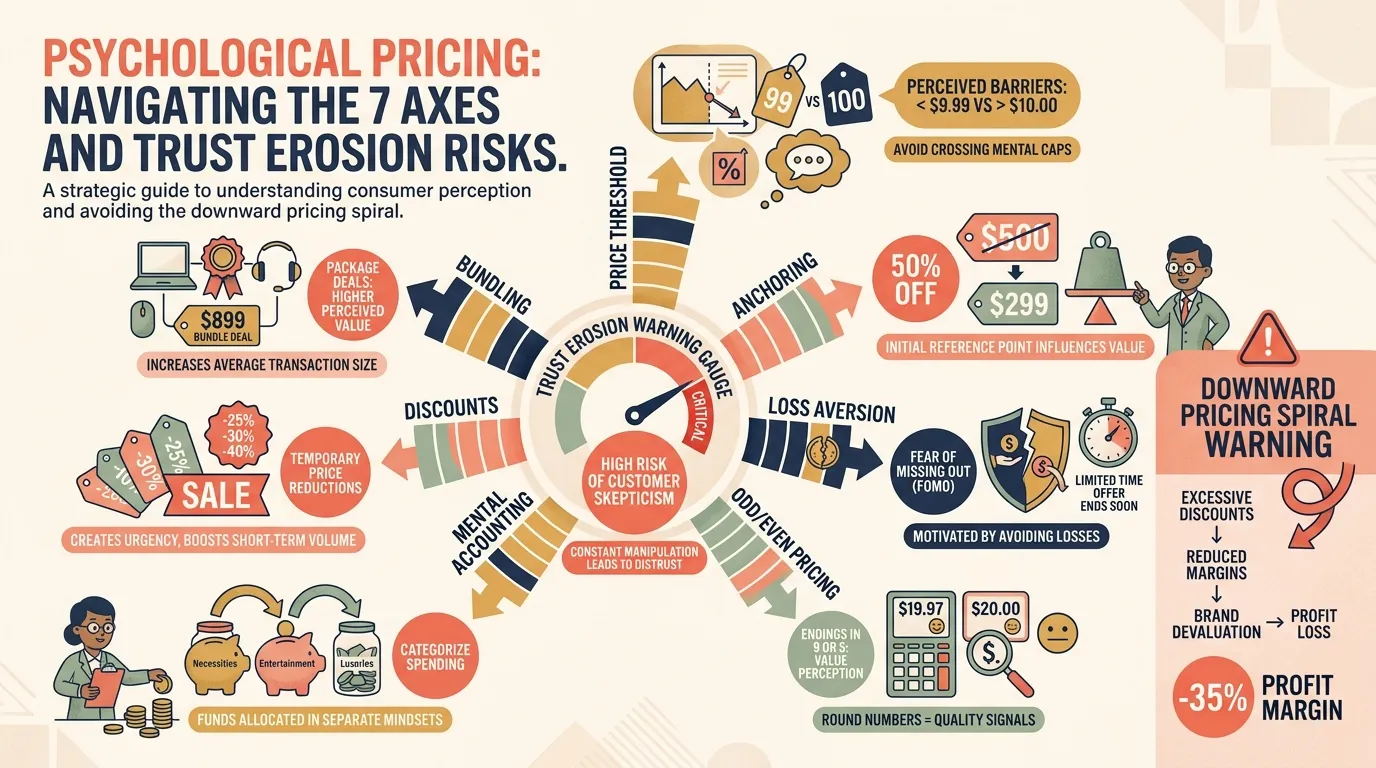
Seven Axes of Psychological Pricing and the Trust They Quietly Erode