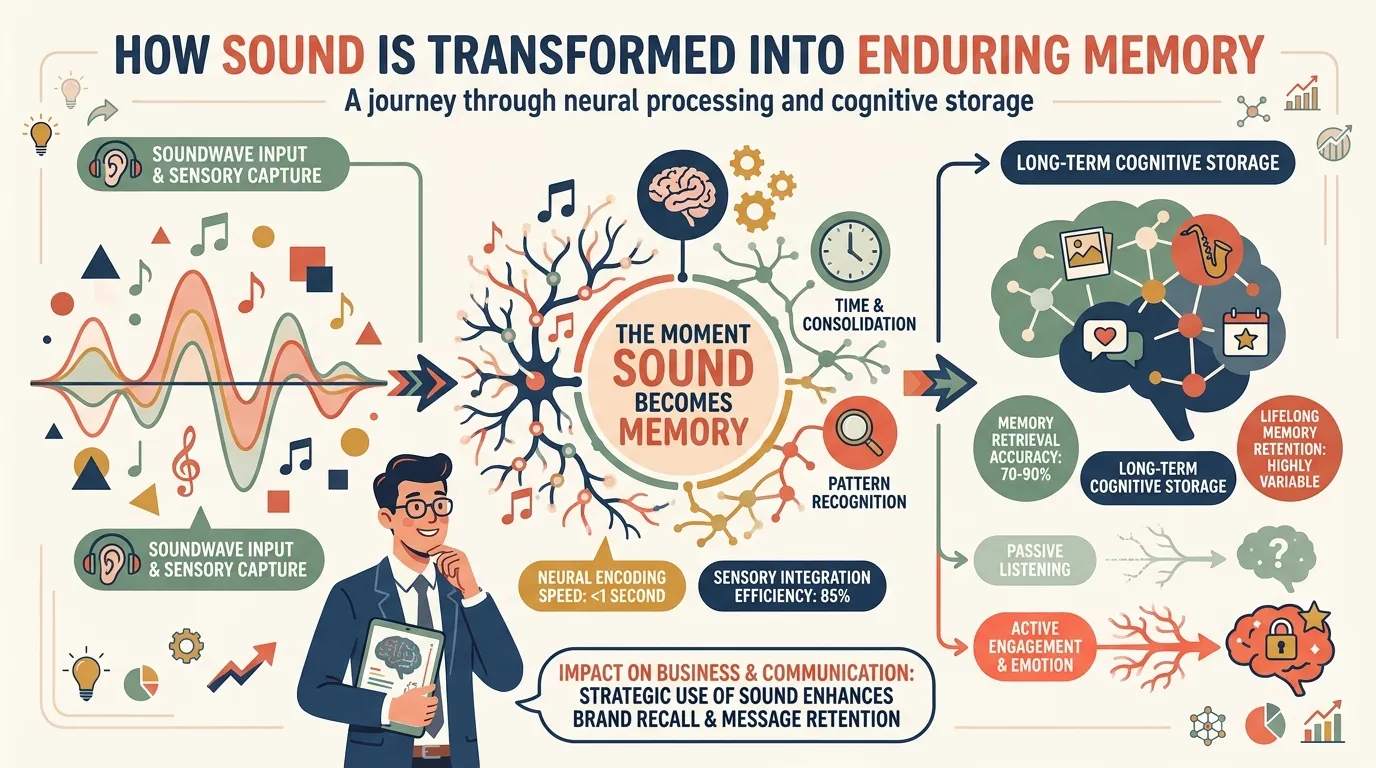
If AI Can't Find You, Your Business Doesn't Start — Adobe CEO on the Agentic AI Gap
As AI agents take over discovery and purchasing, what does it mean to design a brand for two audiences?
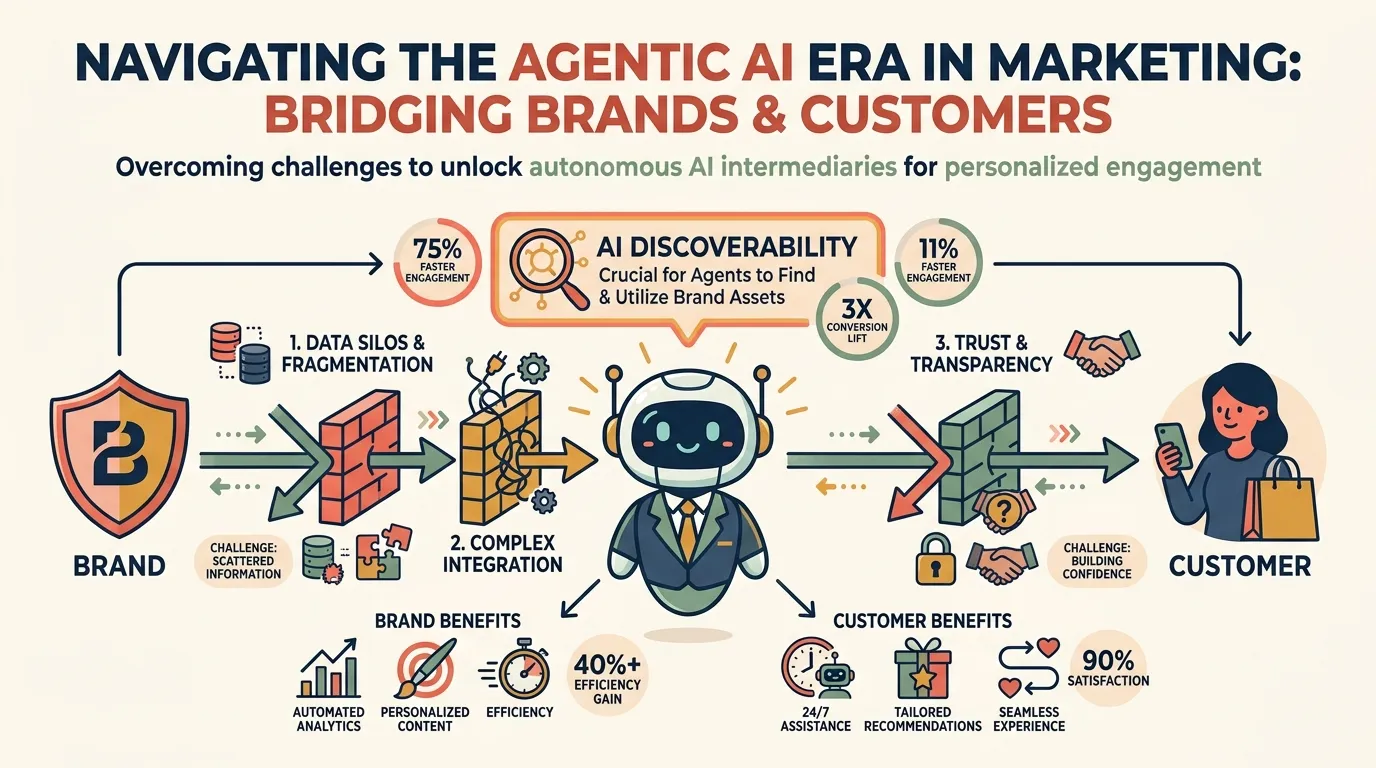
At Adobe Summit 2026, CEO Shantanu Narayen delivered a statement that should unsettle every marketer: “If AI can’t discover you, your business doesn’t start.”
The era of AI agent optimization — agentic SEO, if you like — is arriving faster than most teams have planned for. As agentic-ai becomes capable of researching, comparing, and purchasing on behalf of users, a growing share of customer journeys will bypass human browsing entirely. The implications cut to the root of how marketing is designed.
Three Walls to Agentic AI in Marketing
Narayen laid out three barriers to effective agentic AI deployment in marketing:
Wall 1 — Redefining human roles: Strategy for AI-intermediated marketing still requires human judgment. Teams must decide not just which AI tools to use, but what decisions to delegate and which to retain. That judgment is a new kind of work.
Wall 2 — Deeper customer understanding: Optimizing customer journeys without transparency creates fragility. The more AI mediates customer contact, the greater the risk that teams lose their feel for what customers actually experience. Data abstracts the voice away.
Wall 3 — Quality of personalization: As AI makes high-volume content generation cheap, distinctly human personalization becomes paradoxically more valuable. When quantity equalizes, quality and contextual fit become the differentiators.
What Customer Experience Orchestration Actually Means
Adobe’s vision of customer-experience-orchestration is an attempt to rethink the entire stack of customer touchpoints — ads, emails, site, service — as a coordinated system managed jointly by AI and humans, rather than a set of independently optimized channels.
The goal is consistent, contextually aware experience. A customer arriving via an AI agent recommendation needs a different kind of welcome than one who found the site through direct search. Judging that difference and responding appropriately is the core challenge of CX orchestration.
Brand as Operating System
The most provocative reframe in Narayen’s vision is the brand-as-os metaphor. Brand, in this framing, is not just an identity layer — it’s the interface between AI agents and customers, the logic that determines how the organization presents and negotiates with both sides.
When an AI becomes the intermediary purchaser, brands are evaluated rather than directly experienced. The brands that get recommended will be those with structured, machine-readable proof: clean spec data, aggregated reviews, pricing signals. This is ai-discoverability — the capacity to be found, evaluated, and recommended by AI systems — and Adobe frames it as a core marketing competency.
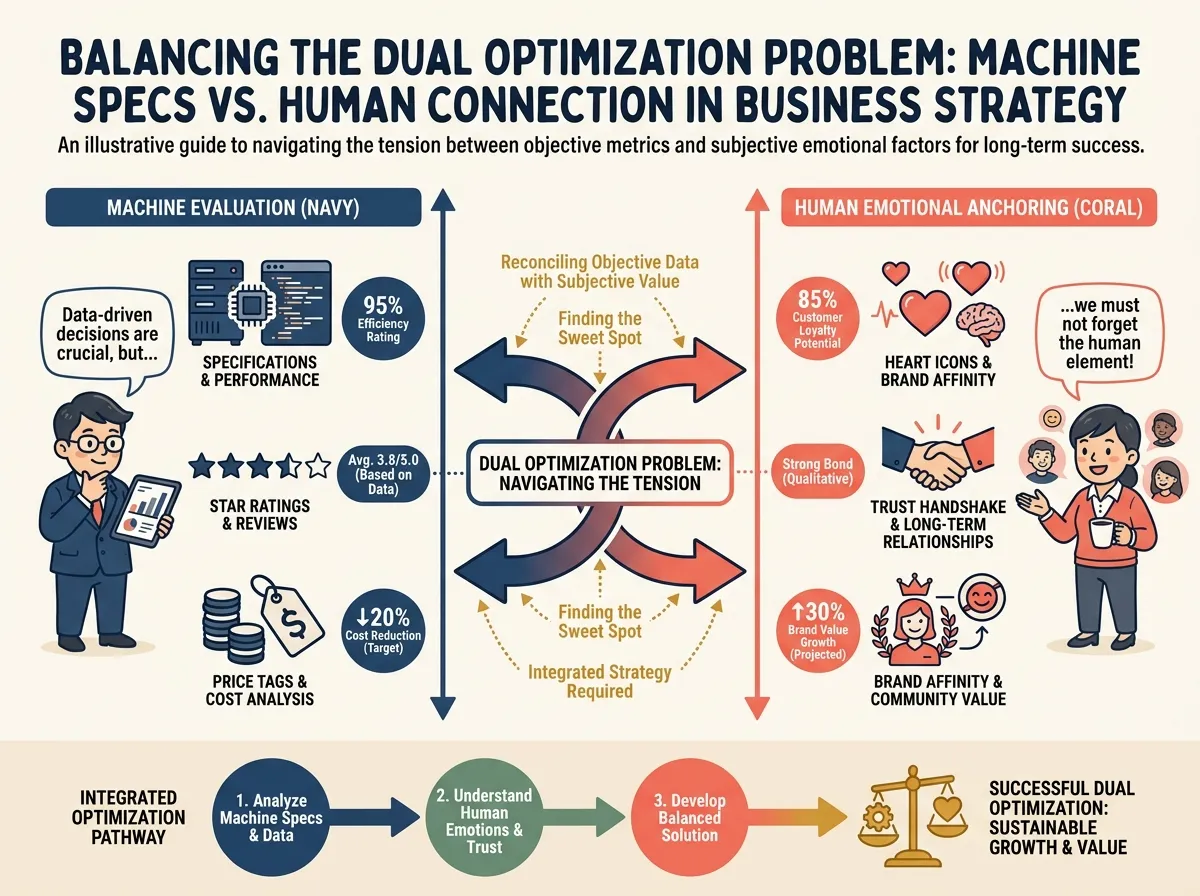
The Dual Optimization Problem
There’s a real tension embedded in this vision. Optimizing for AI evaluation can erode human emotional anchoring. A brand perfectly structured for machine evaluation may feel oddly sterile to human visitors — technically impressive, emotionally flat.
Human buyers don’t stop having emotional attachments just because an AI is in the loop. The challenge of the next few years is simultaneous optimization for machine evaluation and human resonance. Adobe’s framing names the problem clearly. The market will work out the answers.
Sources: AI に「発見」されなければビジネスは始まらない — Adobe CEO on Agentic AI, Three Barriers (ITmedia Marketing, 2026)
Related Articles
Why Notion's Onboarding Quietly Works
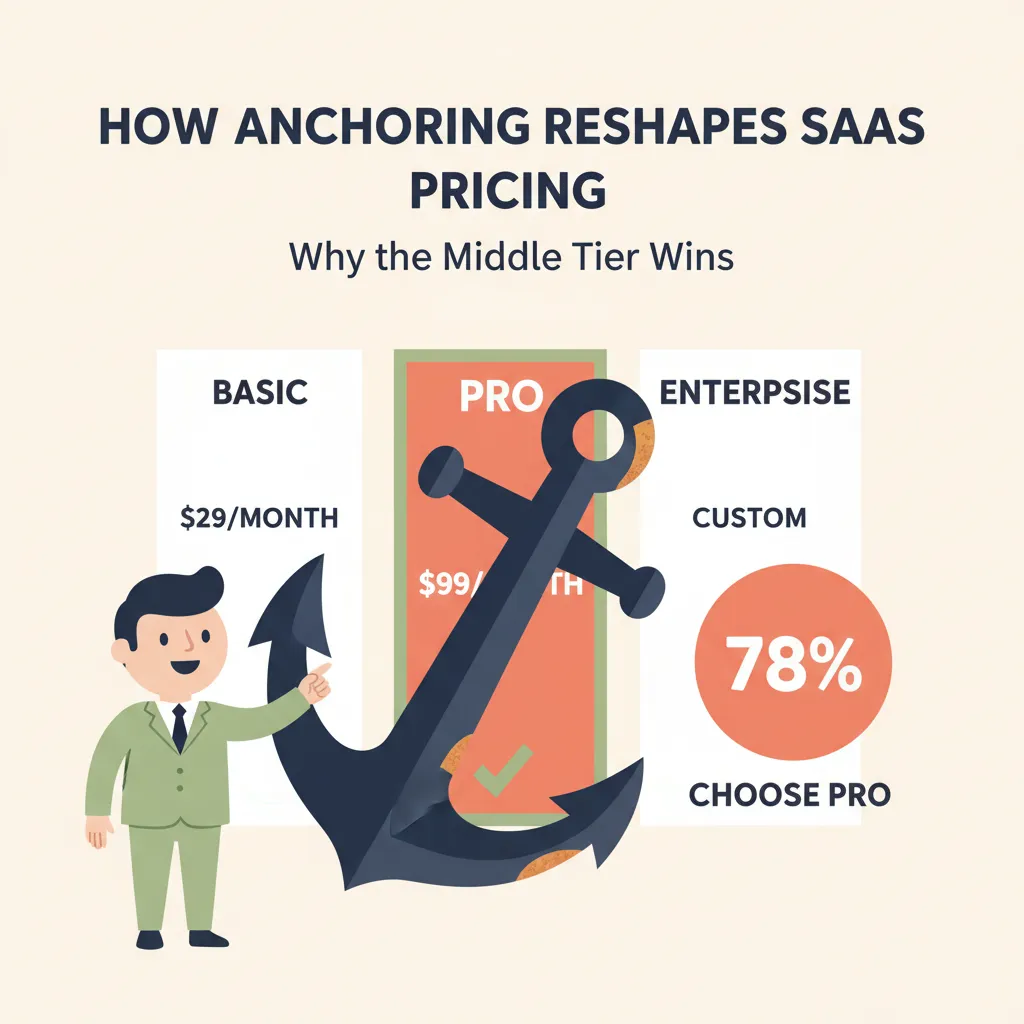
How Anchoring Quietly Shapes SaaS Pricing
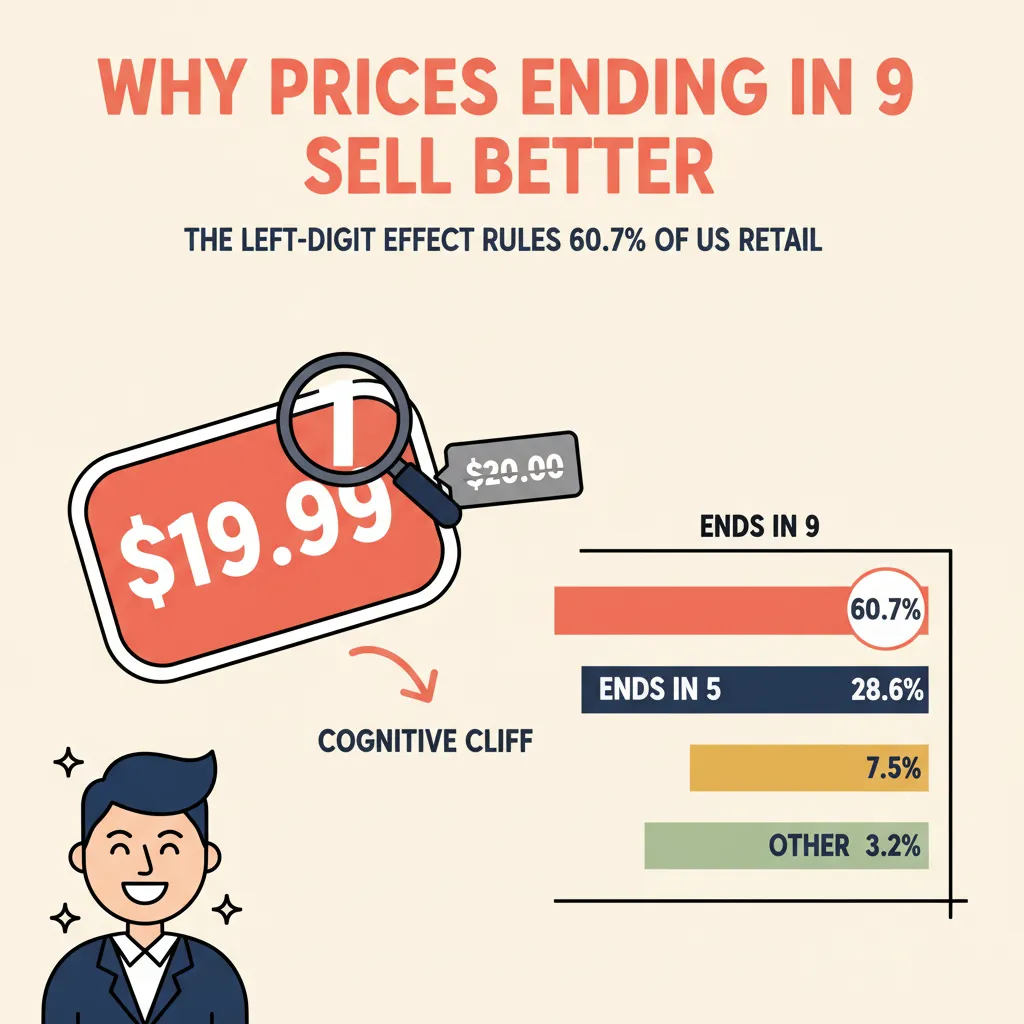
Why Prices Ending in 9 Still Sell
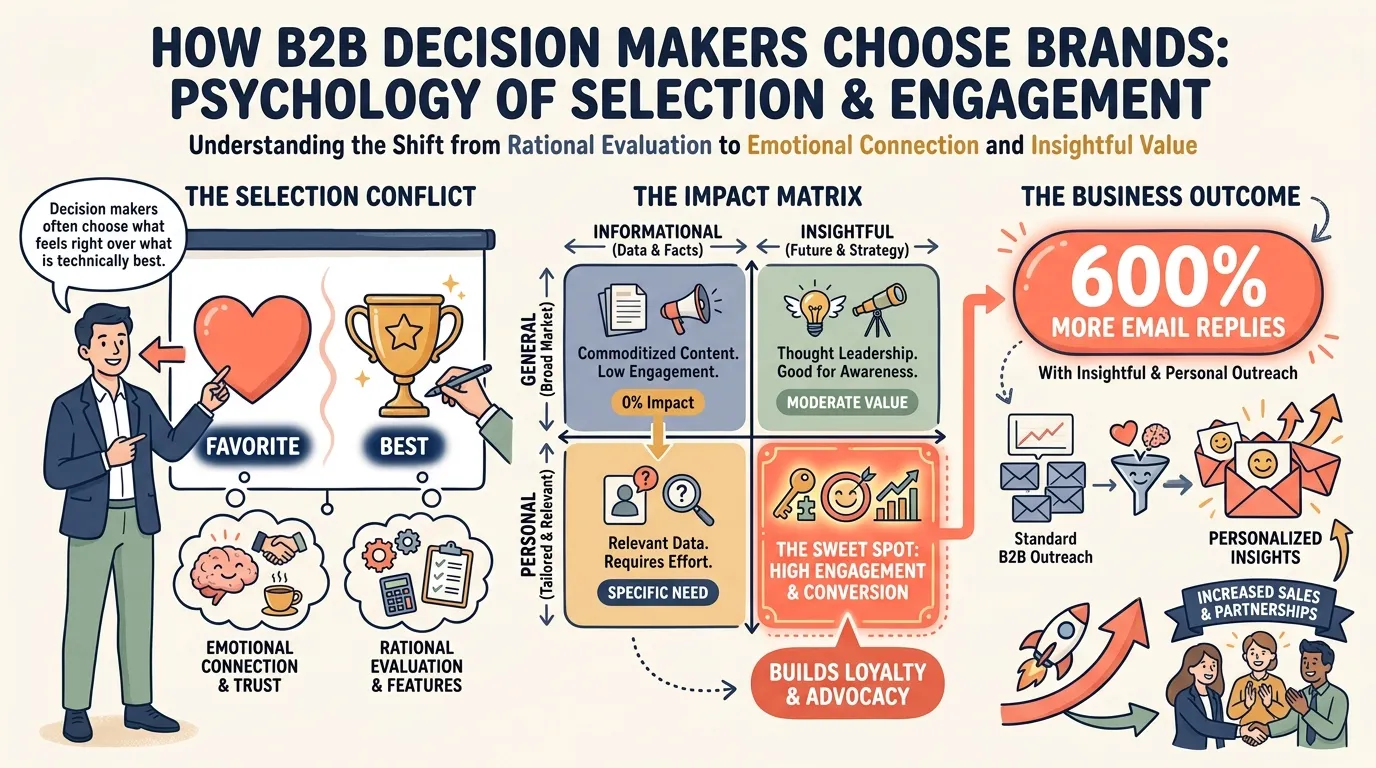
Why B2B Buyers Choose Their Favorite, Not the Best
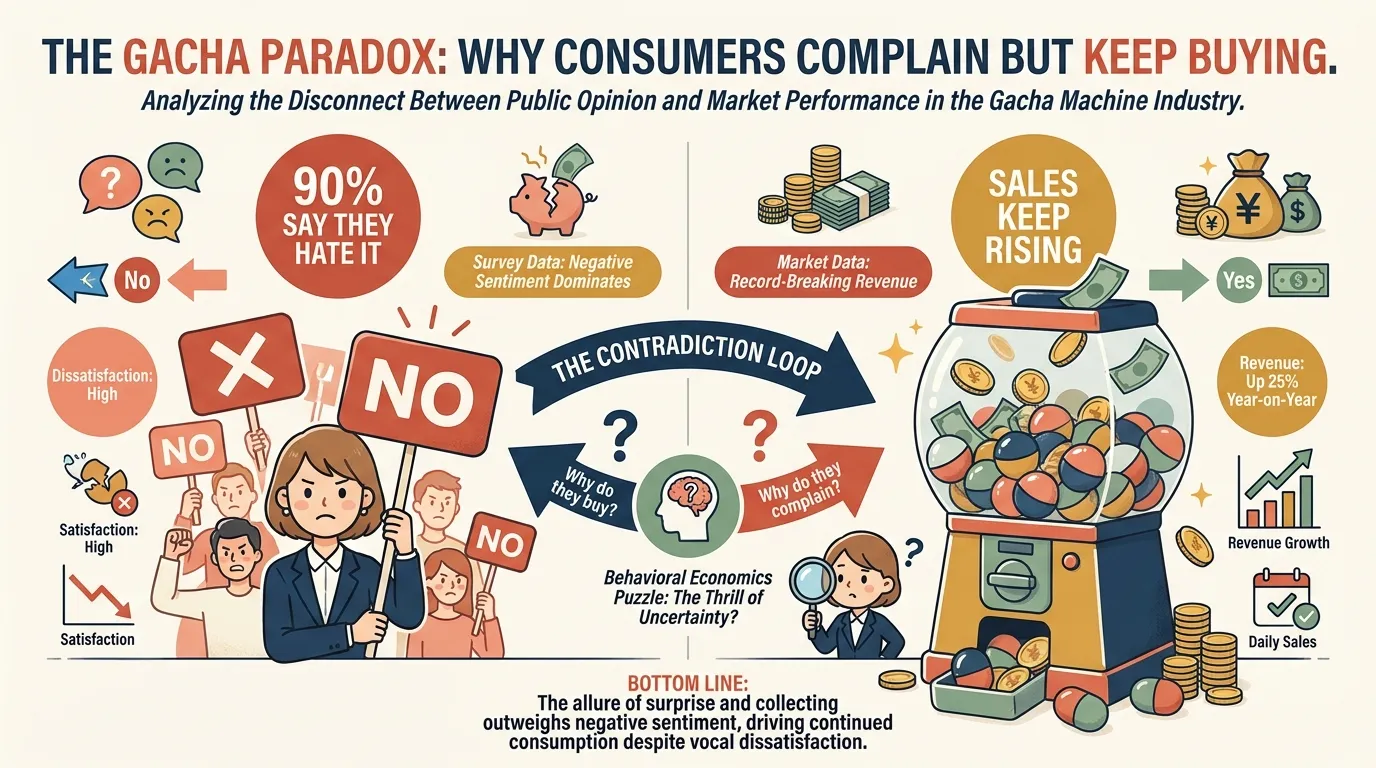
"I Hate It" — Yet I Keep Buying: The Behavioral Economics of Random Merchandise