Be the Brand AI Cites: What Adobe Summit 2026 Revealed About GEO
The rules of search changed. Adobe calls the next move Generative Engine Optimization — and it rewrites how brands compete.
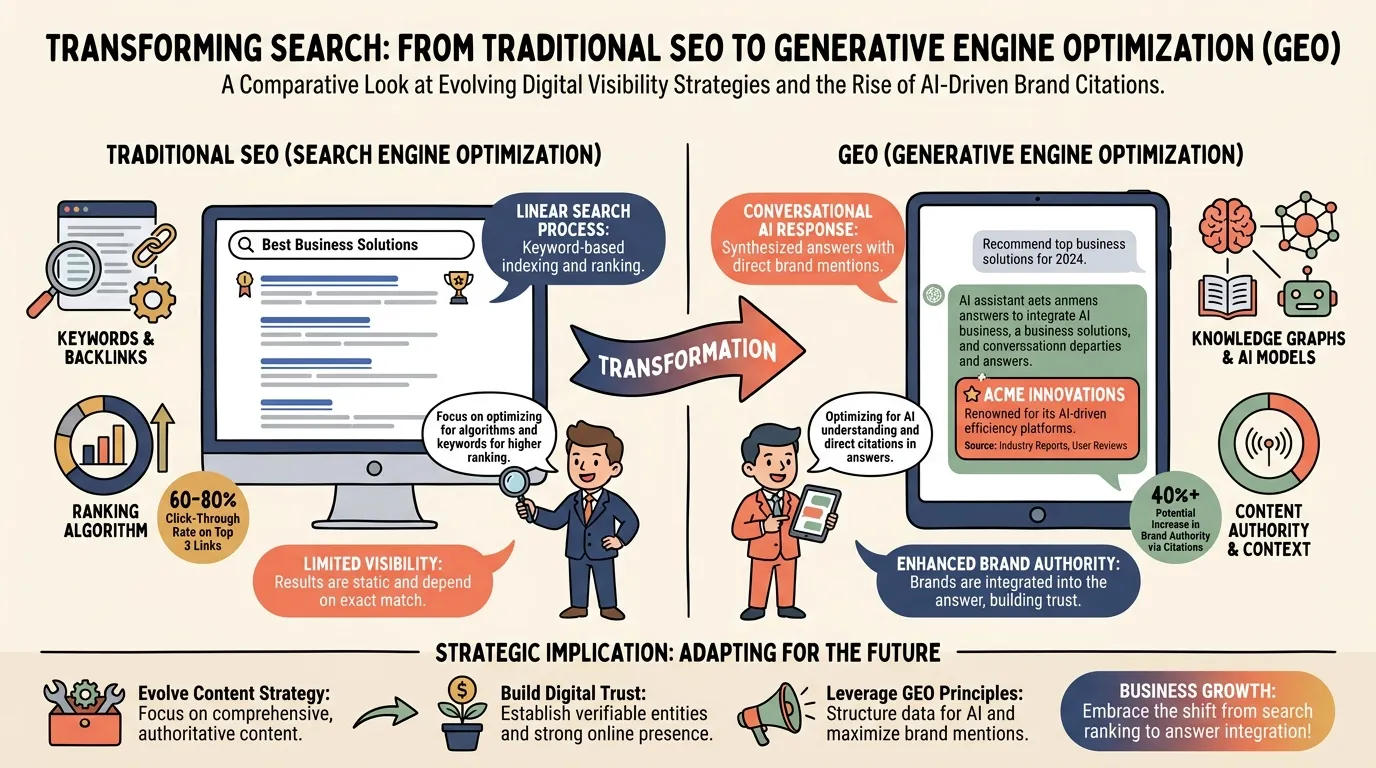
“SEO is becoming meaningless” — the marketers at Adobe Summit 2026 who said this were pointing to something structural, not cyclical. They had a name for what comes next: GEO, Generative Engine Optimization.
When Google AI Overviews, ChatGPT, and Perplexity answer a user’s question before a web page loads, the game shifts from earning clicks to being cited inside the AI’s response. Adobe positioned this as the defining competitive axis for 2026.
What Generative Engine Optimization (GEO) Actually Means
If SEO optimizes content for search engine algorithms, GEO optimizes brand presence for what LLMs generate in response to queries. When an AI summarizes “top project management tools” or “best practices for B2B pricing,” the brands that appear in that output have won a form of visibility that bypasses the click entirely.
Adobe called 2026 the year of “moving from content creation to large-scale personalized marketing deployment,” with brand distinctiveness in AI training data as the starting point. The question is no longer just what ranks — it is what gets cited.
The Psychology: Priming, Schema, and the Authority Heuristic
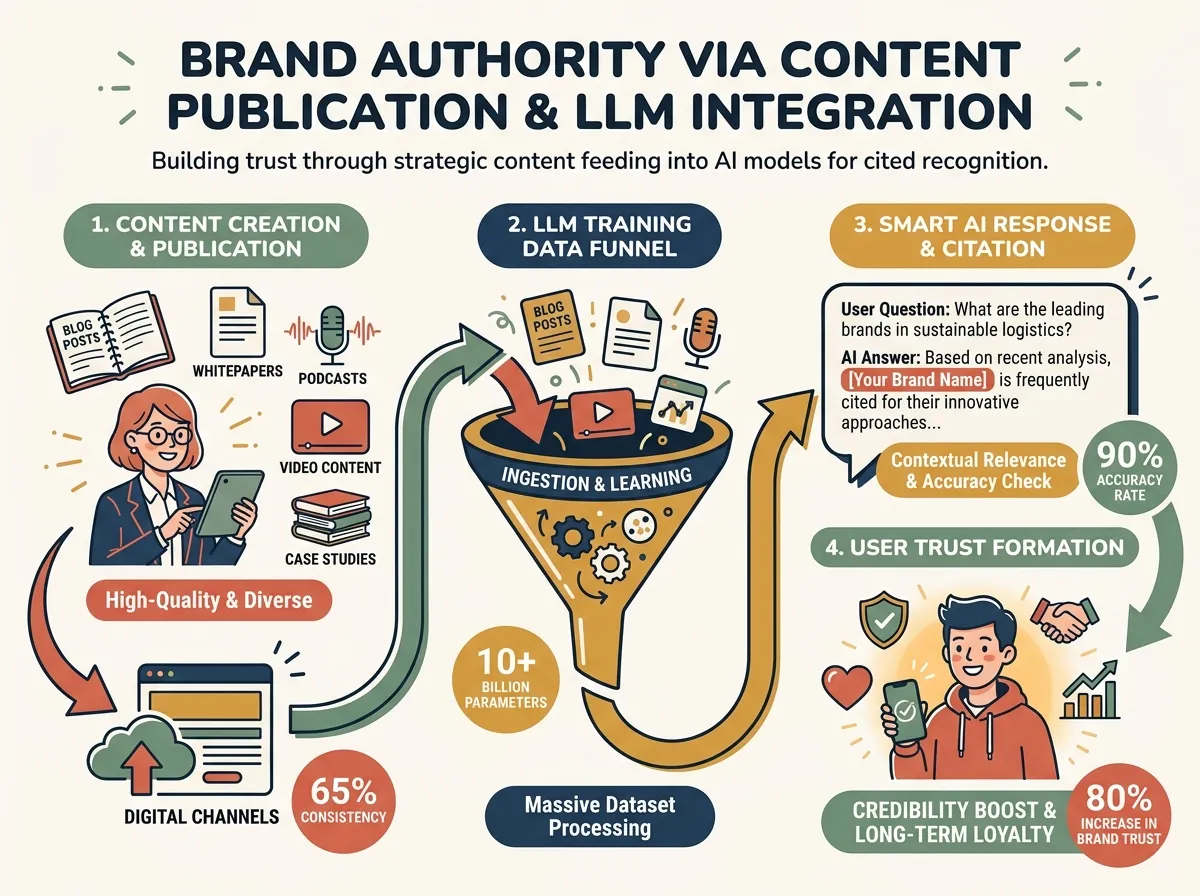
GEO works through two well-established psychological mechanisms. On the AI side: LLMs carry learned brand representations. Brands that produce deep, authoritative content in a domain get encoded as domain authorities in training data — and that encoding surfaces as citations in responses.
On the consumer side: when an AI recommends a brand, users interpret it through the authority heuristic. An AI recommendation functions like expert endorsement, activating the same trust response. Trust in the AI transfers to trust in the cited brand.
AI Brand Visibility is therefore not just a technical metric — it is a new form of AI Discoverability that carries psychological weight equivalent to a high-profile media mention.
GEO as the Next Phase of Zero-Click Marketing
Zero-Click Marketing already established that brand influence can precede a click. Podcast presence, social authority, community trust — these shape purchase decisions before a search query is entered.
GEO extends that logic into the AI response layer. When a user asks an AI to compare vendors or explain a concept, the shortlist it generates is the new above-the-fold. Generative Engine Optimization (GEO) is about being on that shortlist.
Three Starting Points for GEO Readiness
Adobe Summit’s practical guidance condenses into three moves.
First, build deep primary content in your domain — depth of expertise is what AI systems encode as authority. Volume of shallow content does not compound the way it once did in SEO.
Second, maintain signal consistency: the same terminology and distinct point of view repeated across channels sharpens the LLM’s brand representation. An ambiguous brand presence does not get cited.
Third, run AI self-audits: query ChatGPT or Perplexity with “key players in [your domain]” and note whether your brand appears. That is your GEO baseline, and tracking it monthly is the starting point for measuring progress.
The SEO era is not over. But the KPI list is growing — and “cited by AI” is joining it.
Related Articles
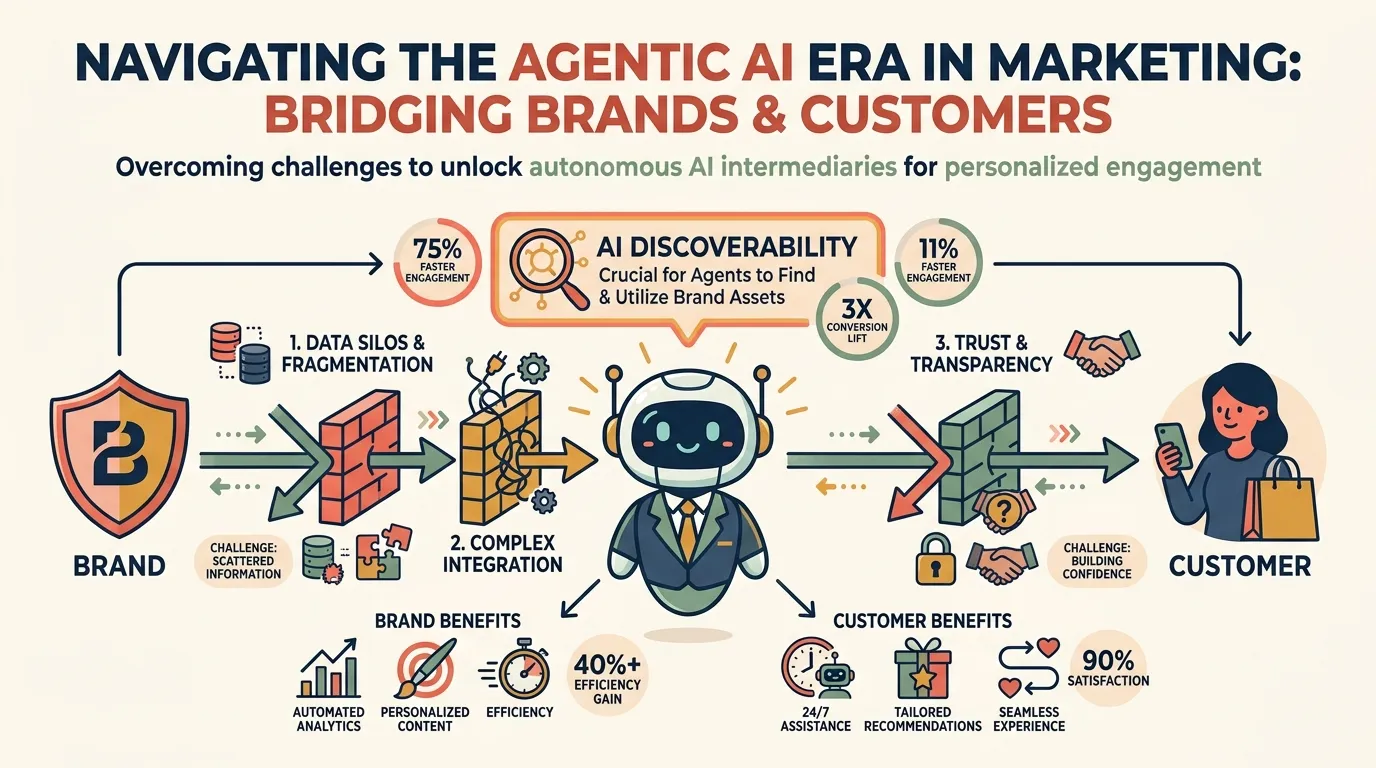
If AI Can't Find You, Your Business Doesn't Start — Adobe CEO on the Agentic AI Gap
Why the Middle Option Always Wins: The Decoy Effect Behind Origin Bento's 78% Sales Surge
Why Notion's Onboarding Quietly Works
When Clicks Disappear: Five Marketing Trends Dominating 2026
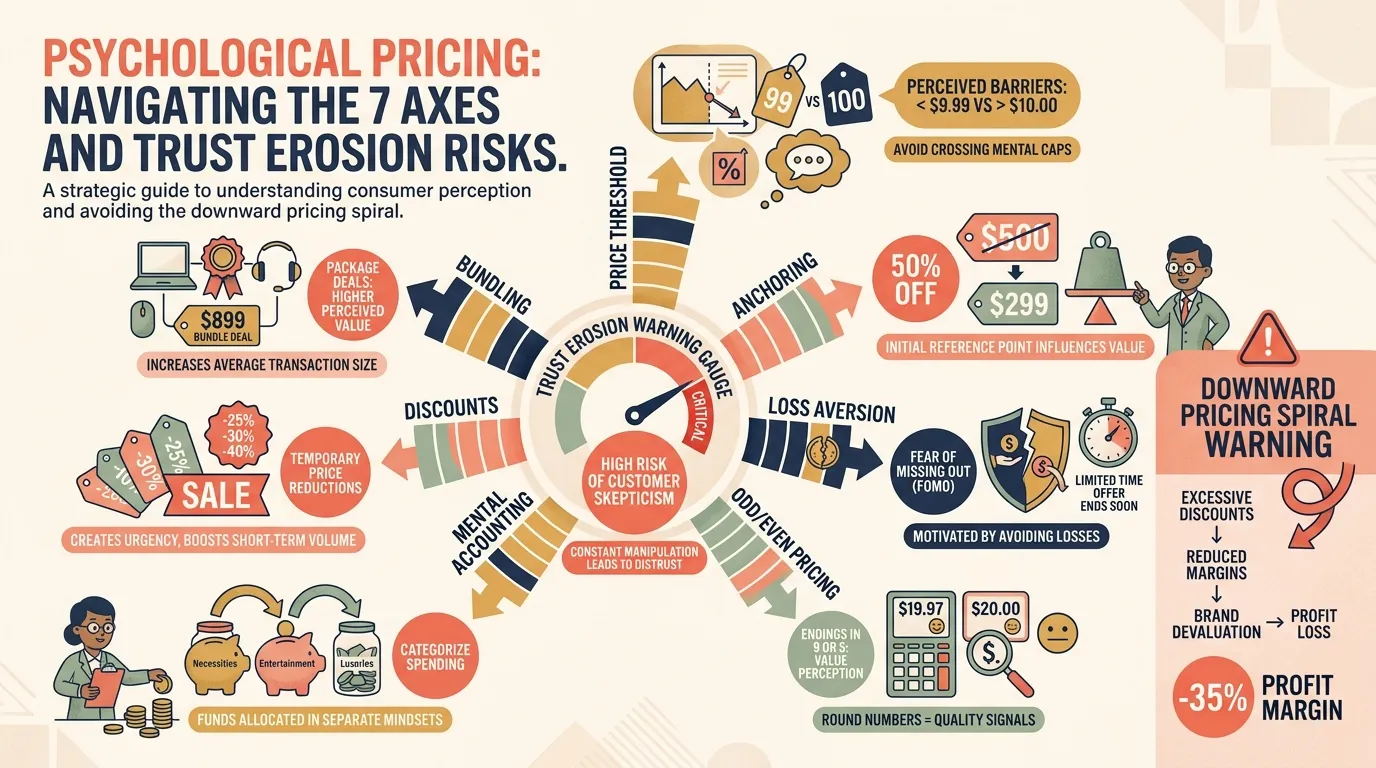
10 Psychological Pricing Techniques: How Reference Points Shape Purchase Decisions