Why Some Experiences Feel Truly Fun
The liberation-engagement theory explains what separates genuine consumer fun from mere enjoyment or flow
Theme parks, carnivals, deeply absorbing game sessions — these experiences all carry the feeling we call “fun.” Yet few people can accurately articulate what produces that feeling. It isn’t pleasure, relaxation, or flow. So what exactly makes something fun, and how can you design for it deliberately?
”Fun” Has Been Treated Too Loosely
Travis Tae Oh and Michel Tuan Pham published “A Liberating-Engagement Theory of Consumer Fun” on SSRN, offering the field’s first rigorous theoretical definition of fun as an independent psychological construct.
Previously, “fun” was conflated with pleasure (hedonic utility), used interchangeably with interest or enjoyment, or left undefined. The authors argue this imprecision has blocked practical design progress.
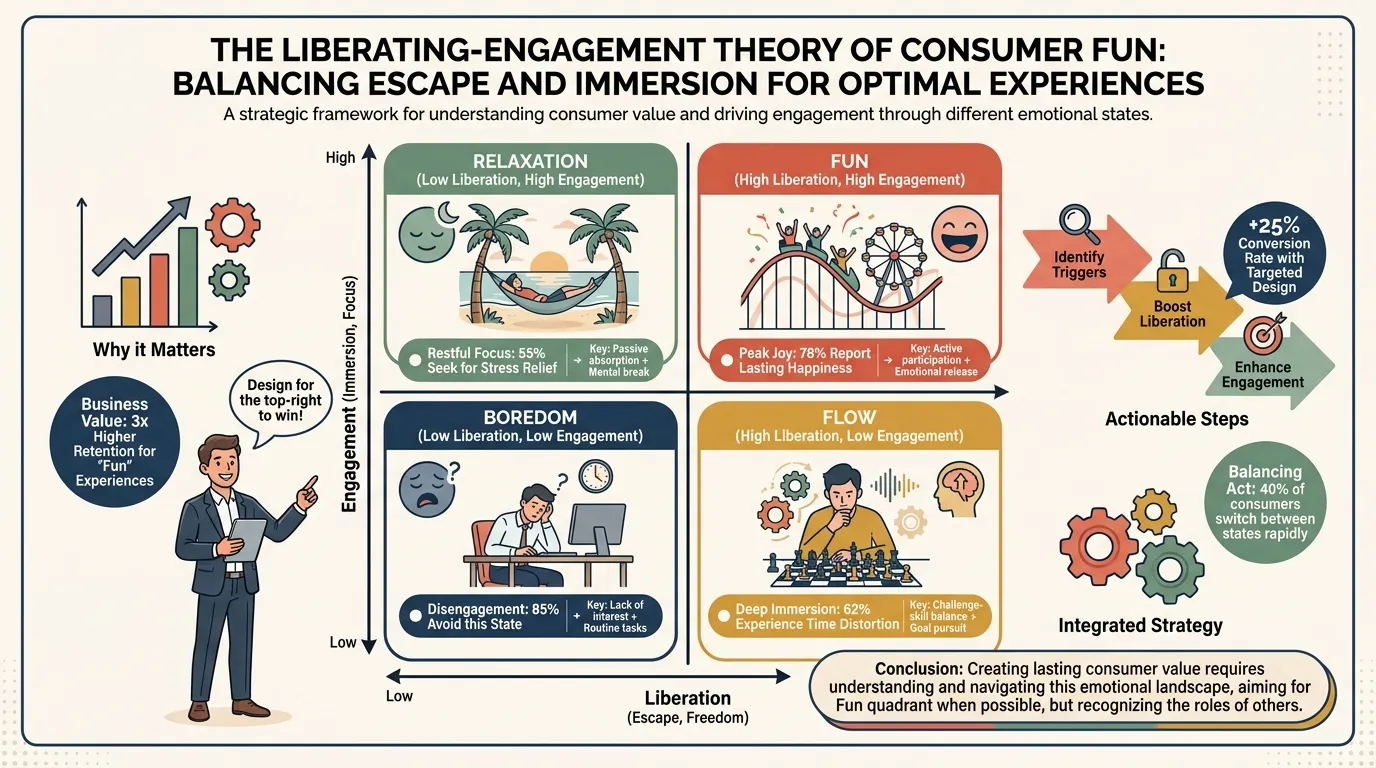
Their definition: Consumer Fun is the state that arises when (1) liberation from norms, obligations, and self-consciousness and (2) deep engagement with an activity occur simultaneously. Only when both axes co-occur does genuine fun emerge.
Why Both Axes Must Be Present at Once
The requirement for simultaneous co-occurrence is the theory’s key insight.
Liberation without engagement yields relaxation — the pleasant but unstimulating state of an obligation-free afternoon with nothing particular to do.
Engagement without liberation produces something closer to flow. Csikszentmihalyi’s Hedonic Utility concept of flow describes deep absorption through a balance of challenge and skill — but focused work at the office can produce flow without producing fun.
Only when liberation and engagement overlap does the experience qualify as fun. This is Oh and Pham’s core structural claim.
The Precise Distinction from Flow
The comparison with flow theory is the paper’s most refined contribution.
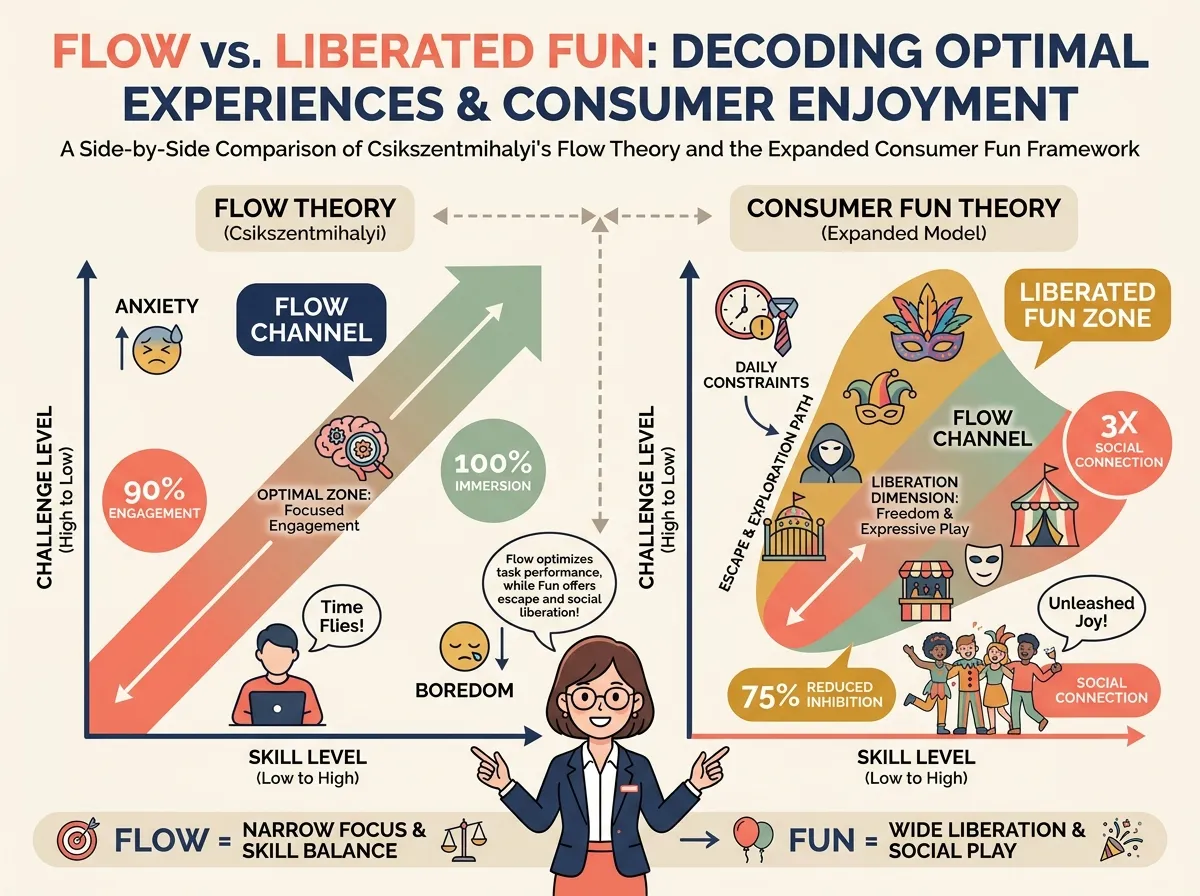
Flow is described as a narrow optimal channel where challenge and skill are in balance. The liberation-engagement theory of fun differs by introducing a dimension that flow theory lacks entirely: social and normative liberation.
The sense of “permission to step outside of one’s usual self-image” — freedom from observation, evaluation, and the ordinary rules of daily life — is required for fun but absent from flow. Without that dimension, even deep engagement remains in flow territory rather than reaching fun.
This connects to Goffman’s theory of self-presentation and Bakhtin’s carnival concept of temporary departure from everyday roles. Theme-park cosplay, the anonymous freedom of social gatherings, viral participation in online challenges — all contain what we might call sanctioned deviance: a context that explicitly permits ordinary norms to be suspended.
Three Design Implications
The Consumer Fun framework generates specific questions for experience design.
First: Is there a liberation device? In games, anonymity that lets players try without real-world stakes. At festivals, an atmosphere that actively endorses departing from everyday dress norms. In product onboarding, psychological safety that makes failure feel consequence-free. Liberation is not automatically present — it must be designed.
Second: Is friction blocking Engagement (Consumer Psychology)? Liberation alone doesn’t produce fun if the interface is confusing or the activity’s goals are unclear — engagement never begins. Liberation and engagement should be treated as independent design variables, each requiring its own diagnostic.
Third: Is the “zone of legitimate deviance” made explicit? Consumers need clear signals that “ordinary rules don’t apply here.” This works in physical space (the gates of a theme park), in product context (a feature labeled “try the experimental version”), or in social framing (a campaign that explicitly invites rule-bending).
Why the Definition Matters
Many products, services, and campaigns claim “fun” as a design goal. But when fun remains undefined, the result is often an experience that is interesting but not fun or relaxing but not engaging — close to the target but missing the crucial co-occurrence.
Oh and Pham’s framework makes fun diagnosable by decomposing it into two independent design variables: liberation and engagement. Adding the questions “Did this experience generate a sense of liberation?” and “Was the engagement deep enough?” to user testing protocols gives teams a clearer diagnostic lens — and a clearer sense of which dimension to address.
Sources: A Liberating-engagement Theory of Consumer Fun (Travis Tae Oh, Michel Tuan Pham, SSRN, 2021)
Related Articles
When Clicks Disappear: Five Marketing Trends Dominating 2026
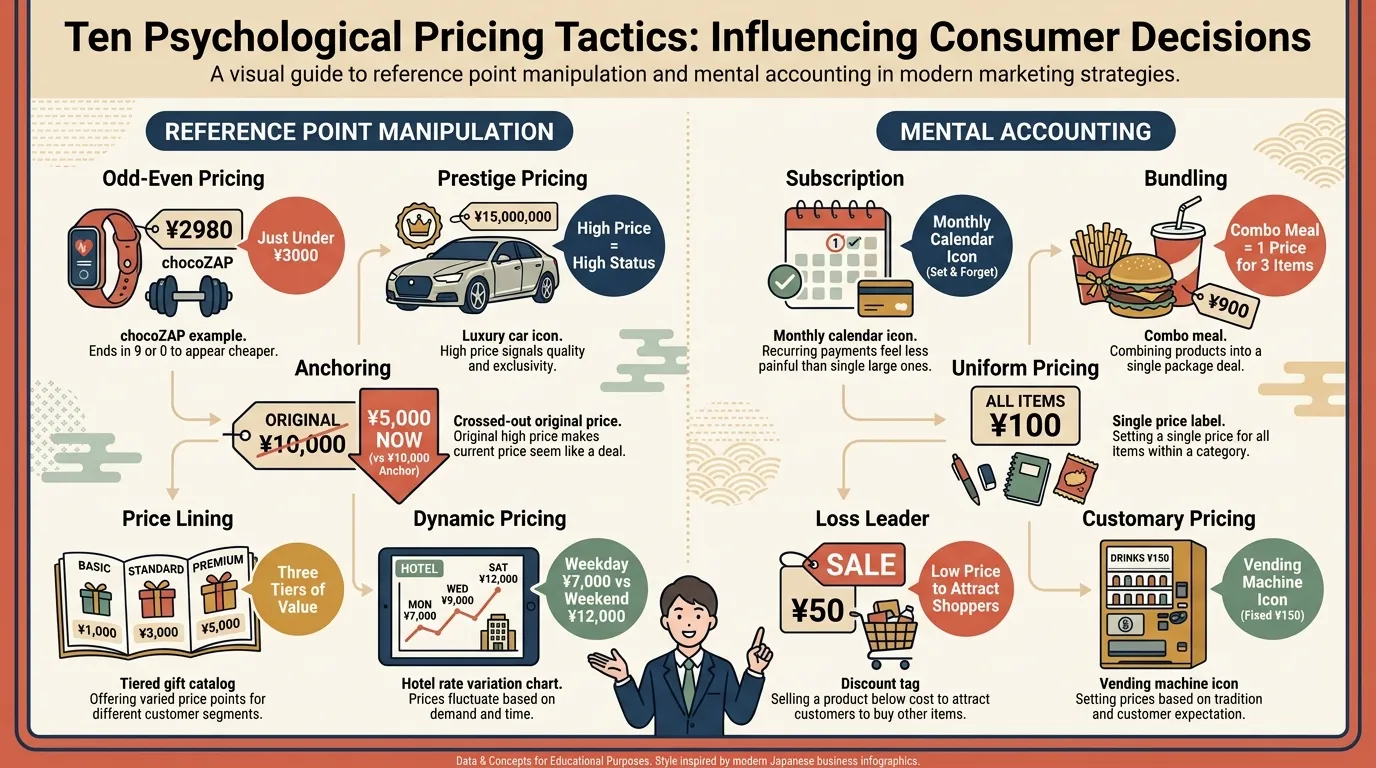
10 Psychological Pricing Techniques: How Reference Points Shape Purchase Decisions
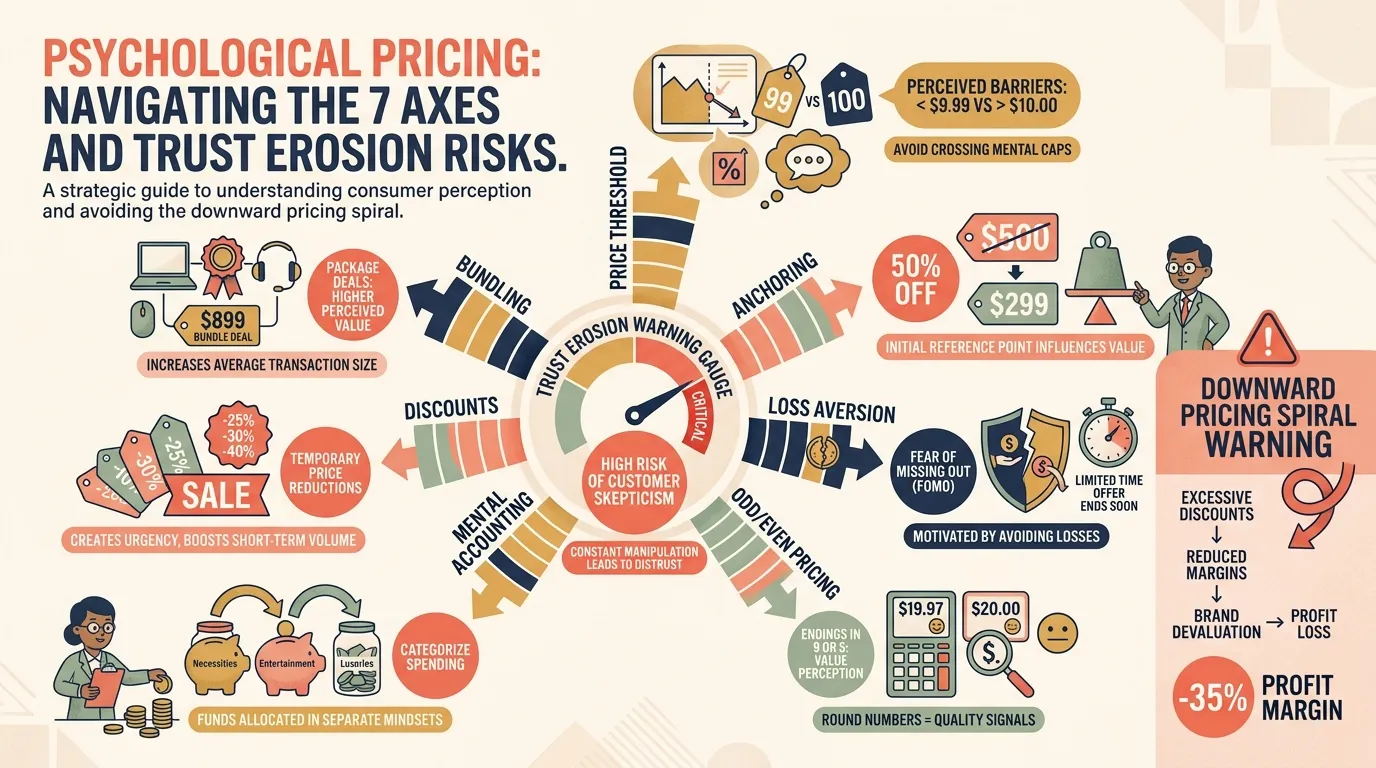
Seven Axes of Psychological Pricing and the Trust They Quietly Erode
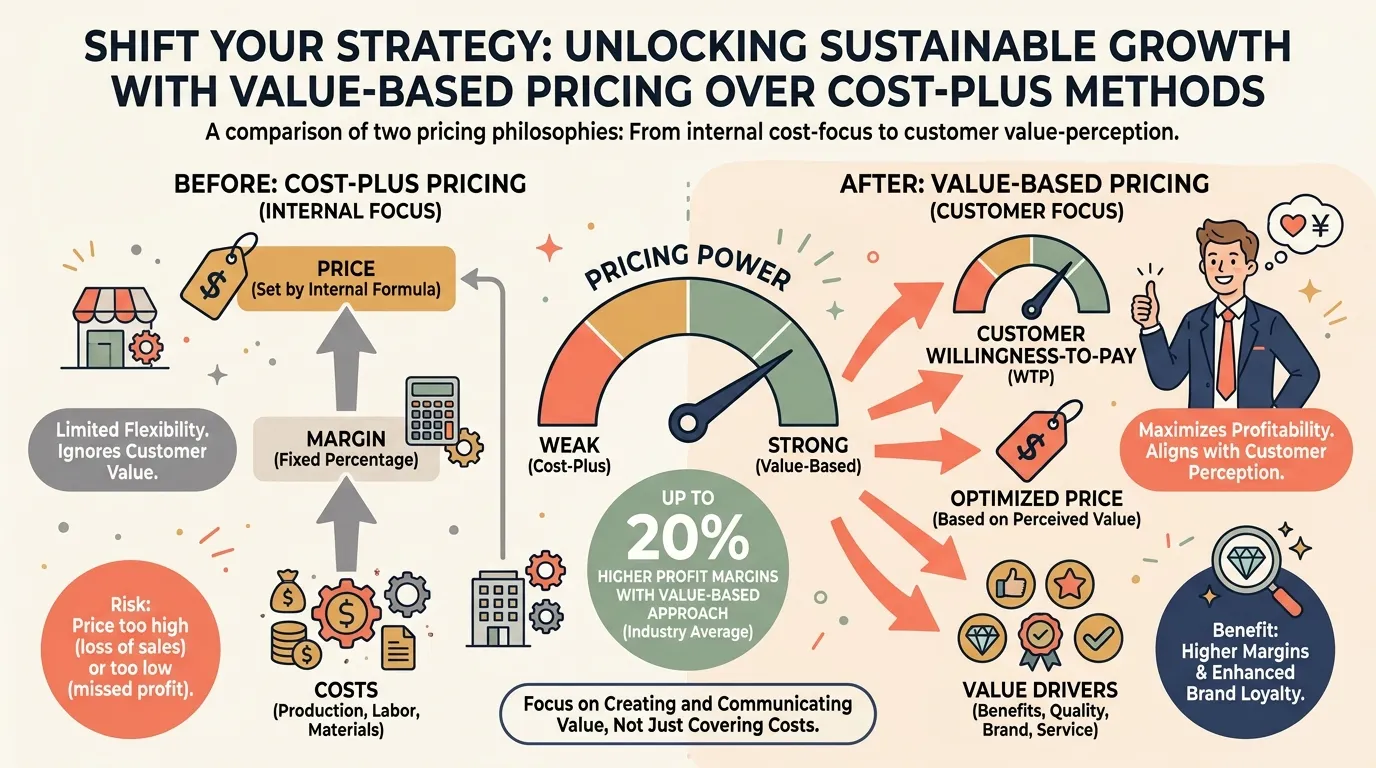
Why Japanese Companies Keep Apologizing for Price Increases — and How Value-Based Pricing Fixes It
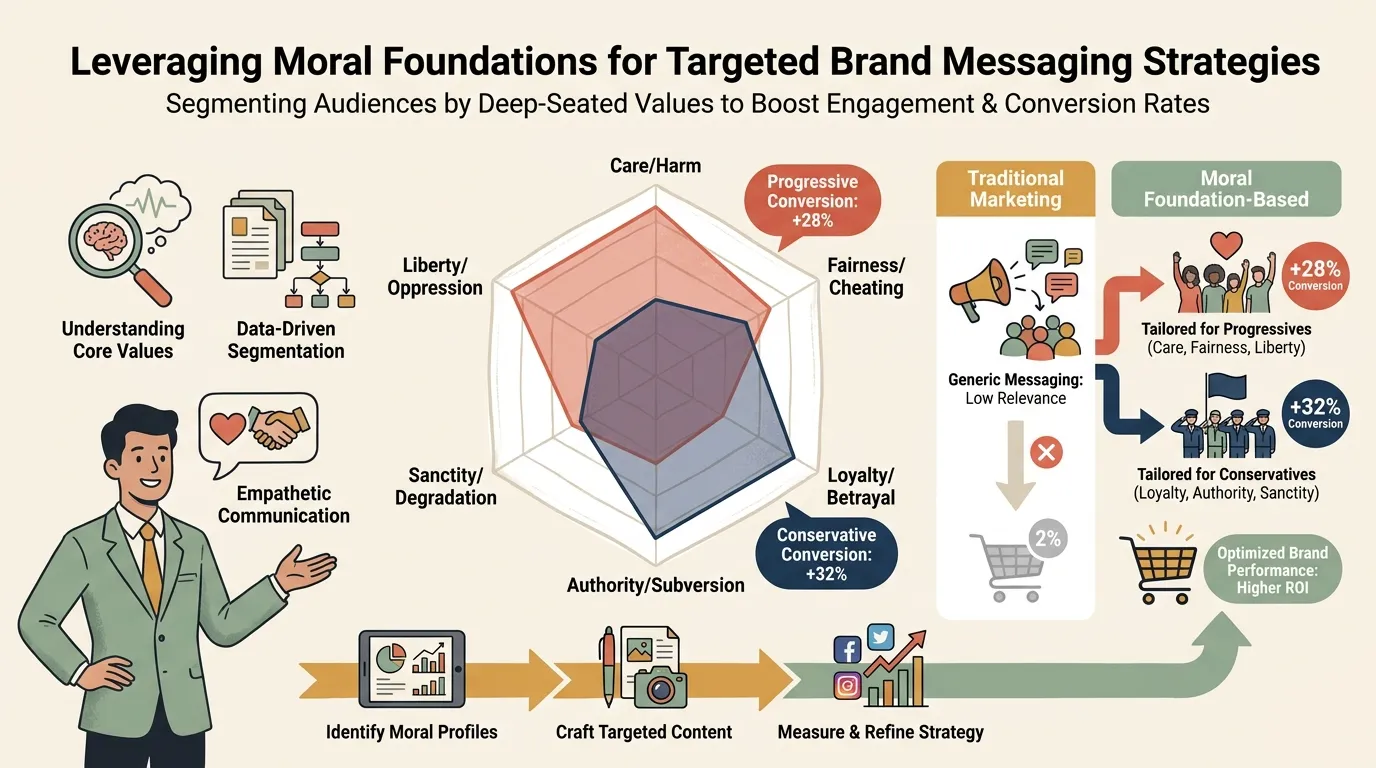
Moral Foundations Shape How Brands Are Chosen