Why Users Stay on Platforms They Complain About: Time-Intensive Goods and the Economics of Attention Lock-in
A landmark NBER paper uses Facebook and Instagram field experiments to show that platform loyalty is driven by time inertia, not product quality — and what that means for marketers
Most social media users report feeling annoyed by excessive ads — yet they keep scrolling. A January 2026 NBER working paper (w34743, Ryst et al.) offers a rigorous economic explanation for this paradox. By applying Gary Becker’s 1965 time-allocation theory to actual field experiment data from Facebook and Instagram, the authors show that the dominant switching cost on Time-Intensive Goods platforms is not quality or price — it is accumulated time.
The Core Argument: Time as the Real Price
For goods where time is the primary input cost — social media, video streaming, mobile gaming — the economics of competition work differently than for traditional goods. The “price” users pay is not money but attention, and attention spending creates two durable forms of lock-in:
1. Habit Formation Daily scrolling becomes automatic. The “checking” behavior bypasses deliberate decision-making and operates as a conditioned reflex. Habits are sticky precisely because they don’t pass through conscious evaluation.
2. Sunk time costs Every follower gained, every relationship maintained, every piece of content posted represents time already spent. Switching platforms means abandoning that investment — a prospect the endowment effect makes feel disproportionately painful.
What the Experiments Actually Found
The paper uses two distinct field experiments on Facebook and Instagram to measure the “diversion ratio” — the share of users who migrate to competing services when the focal platform degrades (via increased advertising).
The result is striking: even when ad load doubled, statistically significant migration to competing platforms was not observed. Low advertising elasticity means platforms can extract more revenue from existing users without triggering exit — at least in the short term.
This finding has a concrete policy implication: the FTC’s proposed Facebook/Instagram de-merger, intended to introduce competition, would likely have limited pro-competitive effect. If lock-in is driven by time rather than corporate structure, structural separation doesn’t address the root cause.
Three Behavioral Biases Underneath the Economics
Becker’s framework is strengthened by well-documented psychological mechanisms:
Status quo bias makes users treat their current platform as the default choice, weighing switching costs against switching benefits asymmetrically. The platform already in use gets a systematic advantage.
Endowment effect extends beyond physical ownership to time-based assets. Followers, curated feeds, and social graphs feel “owned” — and losing them registers as loss, not mere opportunity cost.
Opportunity cost neglect creates a cognitive illusion: because users are already spending time on a platform, the service feels valuable by association. The sunk-cost reasoning inflates perceived worth.
Implications for Marketers
Redefine competition spatially, not functionally A social platform’s true competitors are not “other social platforms” but “everything a user could do during that 20-minute window.” Fitness apps, podcasts, and even sleep compete for the same time slot.
Design for habit formation early The habit window — typically the first 30 days of use — determines whether a product enters the automatic loop or stays in the deliberate-choice zone. Onboarding sequences, streak mechanics, and notification timing all serve as habit scaffolding.
Read the low-elasticity signal carefully Low advertising elasticity is not unconditional permission to increase ad load. The same time-inertia that prevents gradual exit can create a threshold effect: users tolerate accumulation until a tipping point, then disengage sharply and permanently.
Key Limitations
The paper’s experiments measure incumbent user behavior, not new-user acquisition. Findings may not generalize to younger cohorts still in the platform-selection phase, or to markets with lower smartphone penetration. The threshold-effect scenario — sharp exit after tolerance is exceeded — is analytically predicted but not directly measured.
Bottom Line
Platform dominance in the attention economy is better understood as time sovereignty than as quality leadership. The NBER findings suggest that meaningful competition policy for time-intensive goods may require rethinking what constitutes a “relevant market” — one defined by time-sharing rather than functional substitutes.
Sources: Consumer Demand and Market Competition with Time-Intensive Goods, NBER Working Paper w34743, Ryst et al. 2026; Gary Becker, “A Theory of the Allocation of Time,” Economic Journal, 1965
Related Articles
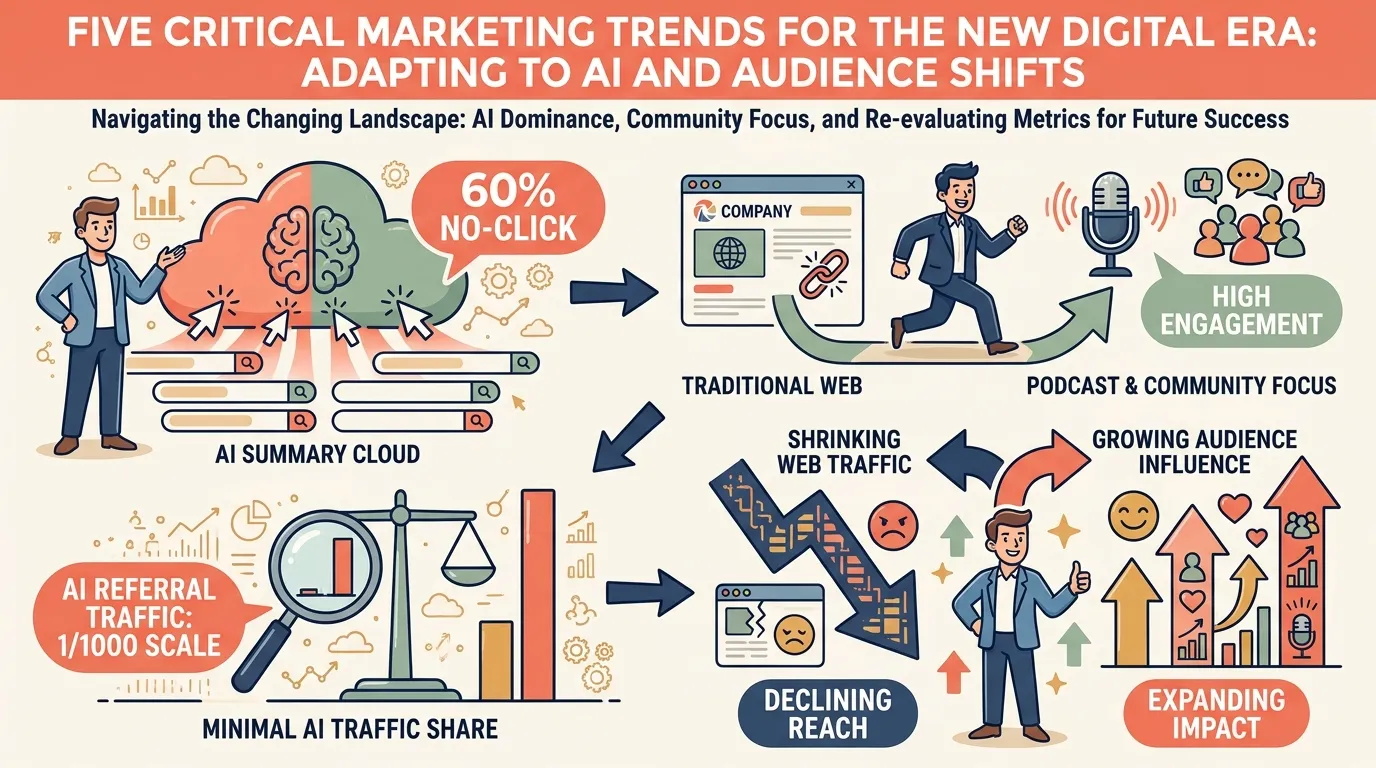
When Clicks Disappear: Five Marketing Trends Dominating 2026
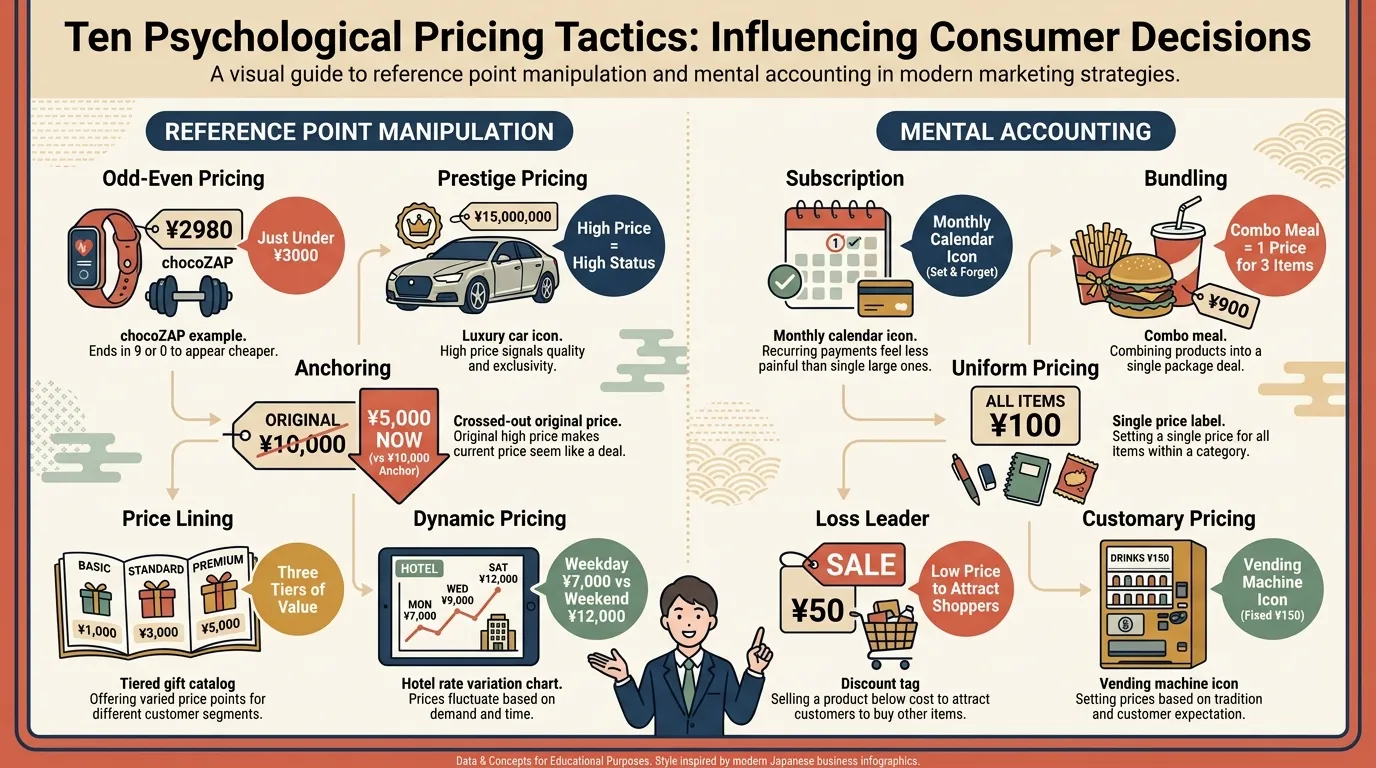
10 Psychological Pricing Techniques: How Reference Points Shape Purchase Decisions
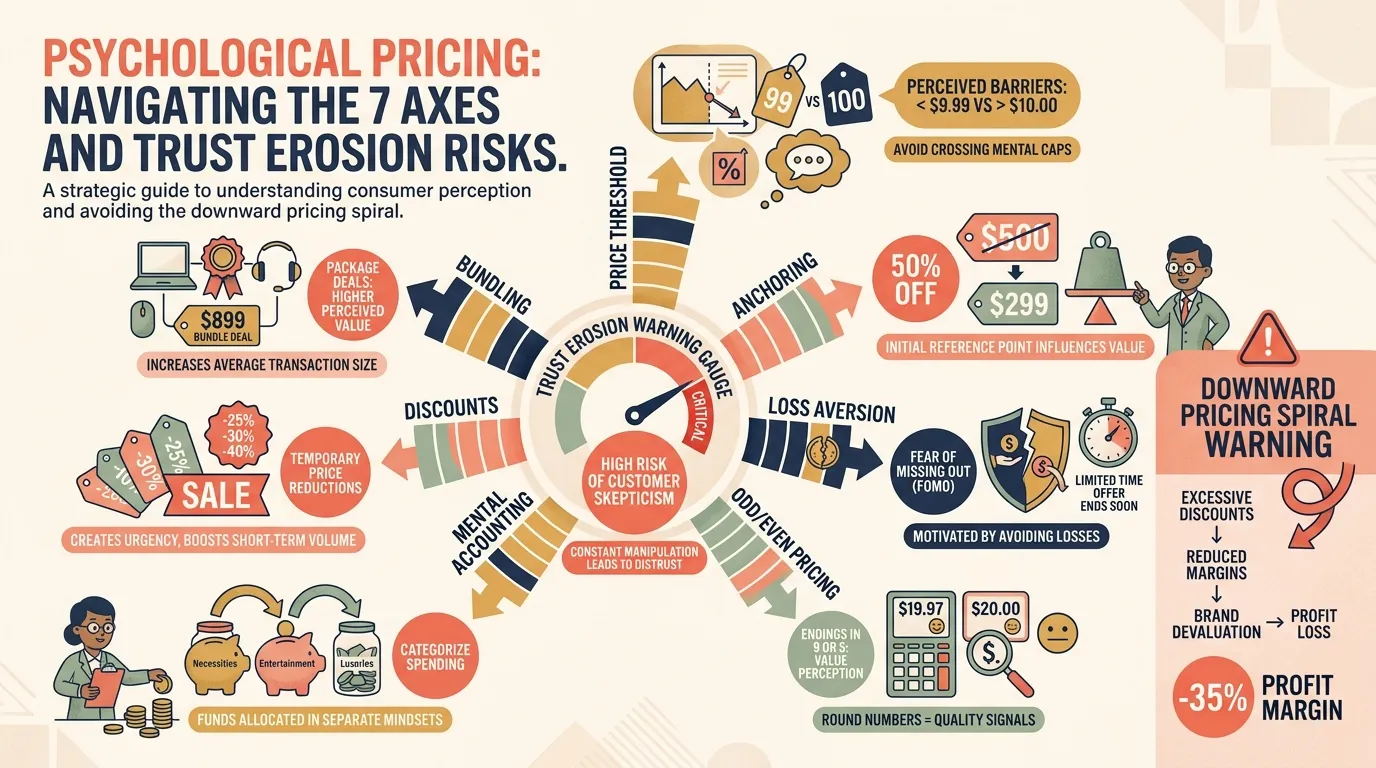
Seven Axes of Psychological Pricing and the Trust They Quietly Erode
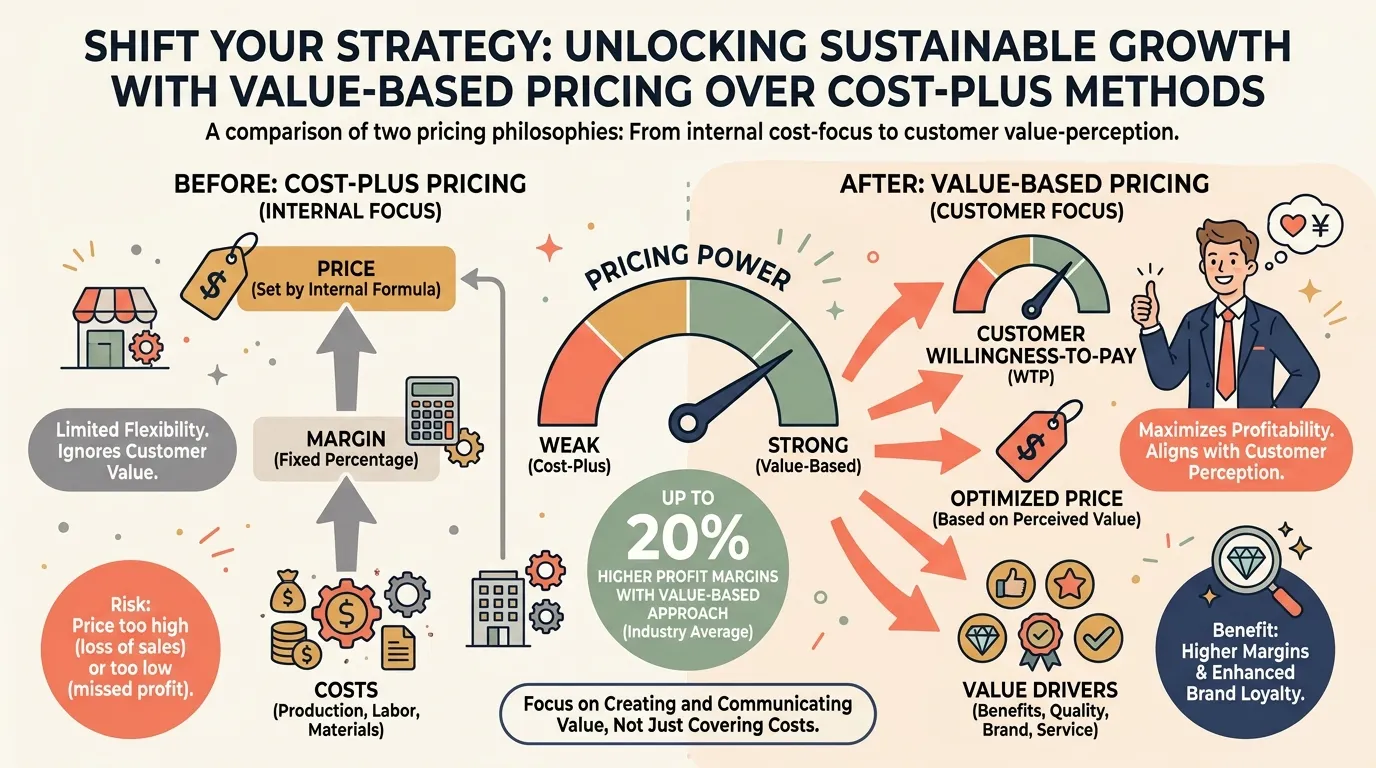
Why Japanese Companies Keep Apologizing for Price Increases — and How Value-Based Pricing Fixes It
Why Some Experiences Feel Truly Fun